
Rethinking CRM in Life Sciences: The Shift From Call Logging to Intelligent Engagement
Date : September 09, 2025
Author : Jason Harlander
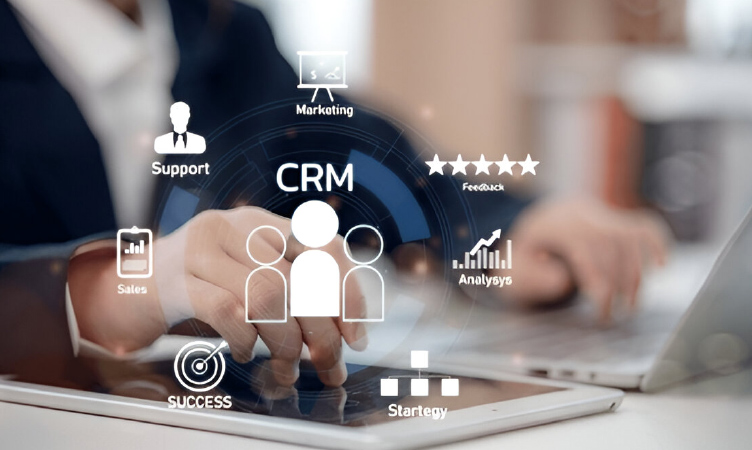
For decades, CRM in life sciences was treated as a compliance tool a way to track rep calls, log HCP interactions, and generate activity reports for management. It was a digital ledger. Nothing more.
But the industry has changed.
Today’s commercial, medical, and field teams are under pressure to deliver personalized, compliant, and timely engagement across multiple channels. Field visits are only one piece of the puzzle, email, virtual meetings, events, scientific exchange, and patient support all live alongside them. And the CRM is no longer just the record keeper it’s the strategic engine that drives these interactions.
The Old Model: Transactional & Siloed
- Rep-focused: Designed to log calls, not to deliver insights.
- Siloed: Marketing, medical, and sales teams rarely shared the same data.
- Disconnected: Minimal integration with systems like ERP, MDM, or regulatory platforms.
The New Imperative: AI-Driven, Data-Integrated, Field-Ready
- AI-Powered Next Best Actions
- Full Ecosystem Integration
- Unified Customer View
Why the Upstream & Downstream Matter
Upstream: How does your CRM consume and enrich marketing automation, omnichannel orchestration, and market insights?
Downstream: Can it feed regulatory submissions, adverse event reporting, inventory management, or patient support workflows without manual re-entry?
Why Change Now
- Regulatory Pressure
- HCP Expectations
- Competitive Speed
The Future-Ready CRM Adaptive, insight-driven, and seamlessly integrated your CRM is no longer a passive system of record; it’s your engagement engine.
Final Thought The CRM decision you make today will define your agility for the next decade. What’s been your biggest challenge in getting CRM adoption right?
Recent Blogs
Categories
About the Authors

Jason Harlander
Executive Director, Technology Management, Improzo
